Is online therapy right for me?

Is online therapy right for me?
Online therapy can feel like a big shift if you have always imagined therapy happening in a room, face-to-face with a therapist.
You might wonder whether it will feel personal enough. You might worry about privacy, connection, distractions at home, or whether you will be able to talk openly through a screen. You might also feel drawn to online therapy because it feels more flexible, accessible or manageable than travelling to see someone in person.
For many people, online therapy can offer a convenient safe and supportive space to talk. For others, in-person therapy may be preferable.
The question is not whether one is better than the other, but what feels right for you, your needs and your circumstances.
What is online therapy?
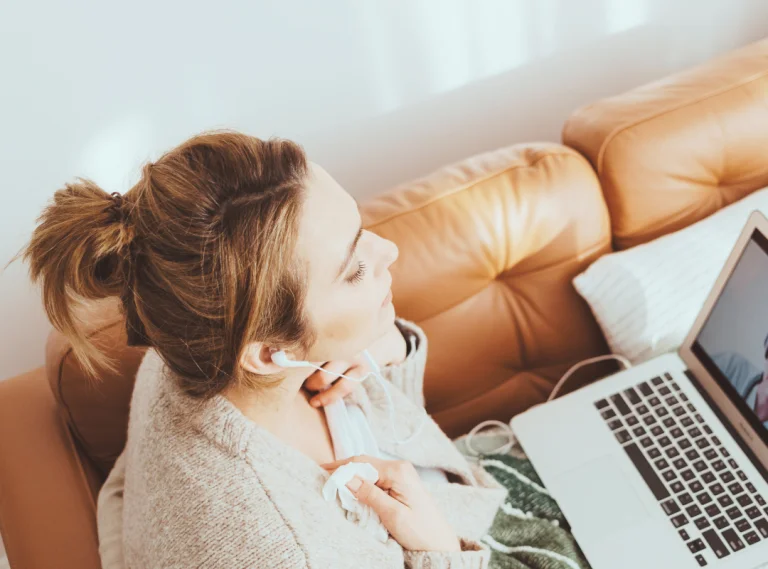
Online therapy, sometimes called online counselling, video therapy or remote therapy, is therapy that takes place through a secure online platform rather than in the same physical room.
You and your therapist meet at an agreed time, usually by video call. The session itself is similar to an in-person session: you have space to talk about what is bringing you to therapy, how things have been feeling, what you are finding difficult, and what you may want to understand or change.
You do not need any special equipment beyond a reliable internet connection, a device with a camera and microphone, and a private space where you feel able to speak.
Some therapists may also offer telephone sessions, which can be helpful if video feels too intense or if you prefer not to be seen while talking.
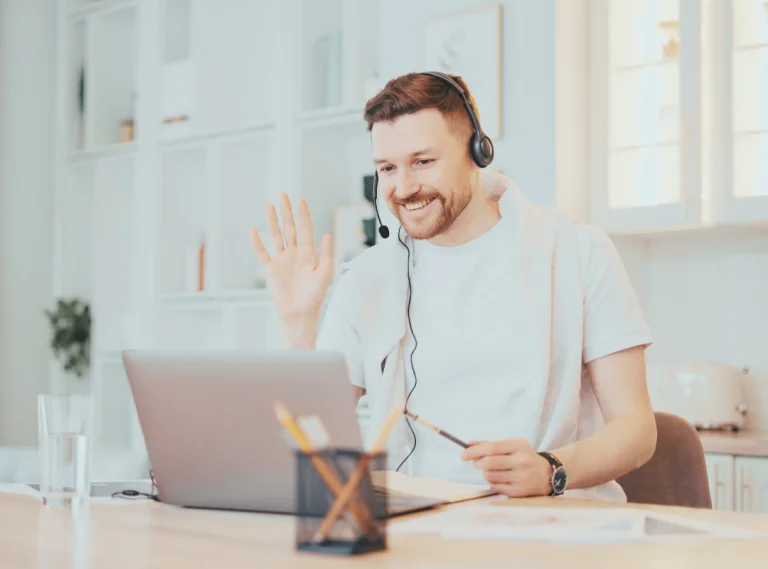
Thinking about online therapy?
You do not need to know straight away whether online therapy is the right fit. You can learn more about how online sessions work, or get in touch if you would like to ask a question first.
Does online therapy feel the same as in-person therapy?
Online therapy may not feel exactly the same as sitting in a room with a therapist, but it does feel very similar, offering you a connected, thoughtful and supportive space from wherever you are.
Some people are surprised by how quickly online therapy begins to feel natural. Being in your own space can sometimes make it easier to talk openly, especially if travelling, waiting rooms or unfamiliar environments feel stressful.
Other people may prefer the physical presence of in-person therapy. They may value being in a separate room, away from home, with a clearer boundary between everyday life and the therapy space.
Is online therapy effective?
Online therapy can be a helpful and effective way to access support for many people. It offers a consistent space to talk, reflect and build a relationship with a therapist, while removing some of the practical barriers that can make therapy harder to attend.
For some people, online therapy can make it easier to start the process because it feels more accessible. The idea of being at home during sessions feels less exposing than walking into a therapy room for the first time.
However, online therapy is not the right fit for everyone. Some people may need or prefer in-person support.
A therapist can help you think about whether online therapy feels appropriate for what you are experiencing.
Who might online therapy suit?
Online therapy may feel suitable if:
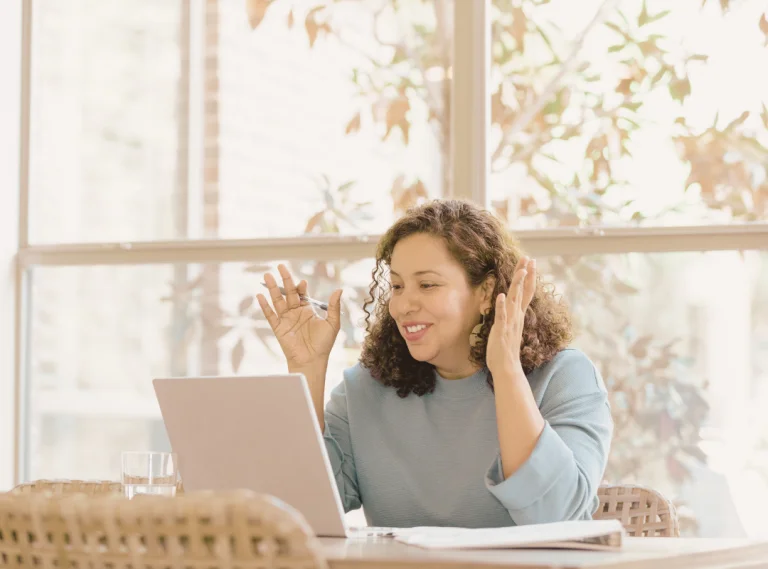
- you want therapy from the comfort of your own home
- travelling to appointments feels difficult or stressful
- you need flexibility around work, parenting, caring responsibilities or health
- you live outside the local area
- you find familiar surroundings calming
- you would prefer to begin therapy without attending a physical setting
- you want to work with a therapist who is not based near you
- you feel more able to open up from your own space
It may also suit people who are returning to therapy and already know that online sessions work well for them.
The most important thing is that you have enough privacy, feel safe in the space you are using, and can speak without being overheard or interrupted.
When is in-person therapy more suitable?
In-person therapy may feel more suitable if:
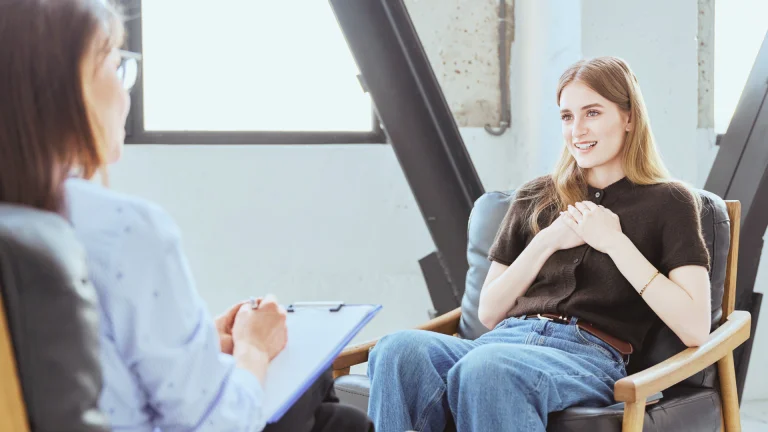
- you find it easier to connect face-to-face
- you do not have a private space at home
- you feel distracted or unsettled being in your own environment
- you prefer the structure of travelling to and from a session
- you want clearer separation between therapy and everyday life
- you feel more grounded being physically present with your therapist
Some people also find that leaving the house for therapy gives them time to prepare beforehand and reflect afterwards.
At The Clearing, online therapy is available across the UK. Some of our therapists also offer in-person sessions across the North East, depending on availability.
You can view our locations here.
What do I need for an online therapy session?
You do not need much for an online therapy session, but there are a few practical considerations.
For your online appointment to work well and feel comfortable, you’ll need:
- a private space where you are unlikely to be interrupted
- a reliable internet connection
- a device with a camera and microphone
- headphones, if privacy is a concern
- water or a warm drink nearby
- a little time before the session to settle
- a few minutes afterwards before moving straight into the next part of your day
It can also help to think about where you will sit, whether you feel comfortable being seen on camera, and whether there is anything you need to do to make the space feel more private.
You do not need the space to be perfect. You just need somewhere that feels safe enough to begin.

We can help you find the right fit
Whether you are new to therapy or exploring online sessions for the first time, you can browse therapists who offer online appointments or get in touch if you’re unsure if online therapy is for you.
What if I feel awkward on video?
It is normal to feel a little awkward at first.
You might be aware of seeing yourself on screen, unsure where to look, or worried about pauses feeling different online. These things often settle as you get used to the format.
You can tell your therapist if video feels strange or if you are finding it hard to settle. They may help you think about small adjustments, such as turning off self-view, using headphones, changing where you sit, or taking a moment to ground yourself before beginning.

What about confidentiality and privacy?
Confidentiality is an important part of therapy, whether sessions happen online, by telephone or in person. Your therapist should opt for a video calling platform that is fully encrypted to maximise online security.
With online therapy, privacy also depends on the space you are using. It is helpful to choose somewhere you cannot easily be overheard, and to let others in your household know that you should not be disturbed if that feels possible.
Using headphones can help if privacy is limited. Some people choose to sit in a bedroom, home office, parked car or another quiet space where they feel able to talk.
Your therapist can also explain how they manage confidentiality and online security before you begin.
Can online therapy work for deeper issues?
Yes, online therapy can support deeper therapeutic work for many people.
It can offer space to explore patterns, relationships, emotional responses, past experiences, grief, anxiety, trauma, self-worth, burnout and more. The depth of therapy is not really determined by whether you are online or in person. It is shaped by the quality of the therapeutic relationship, your therapist’s approach, and how comfortable you feel opening up about the more difficult aspects of your experience.
That said, some types of work may need careful assessment before beginning online, particularly where trauma processing or more specialist support is involved.
If you are unsure, it is okay to ask whether online therapy is appropriate for what you are bringing.

How do I decide whether online therapy is right for me?
- Do I have a private enough space to talk?
- Would being at home help me feel safer or more comfortable?
- Would I find it easier to attend regularly online?
- Do I feel comfortable enough using video or telephone?
- Would travelling to therapy make support harder to access?
- Do I want access to a wider choice of therapists?
- Would I prefer the separation of an in-person appointment?
What if I am still unsure?
If you are still unsure whether online therapy is right for you, we are here to help.
It can be difficult to imagine how therapy will feel before you begin, especially if you are already feeling anxious, overwhelmed or uncertain.
You can start by reading more about how online therapy works, browsing therapists who offer online sessions, or getting in touch to ask a question.
The right format is the one that helps you feel able to begin.
Whether online therapy feels like the right fit or you are still considering your options, we can help you take the next step.