
Attachment & relationship patterns
Our attachment style and relationship patterns form the blueprint for our social and romantic lives. They determine how readily we’ll allow others to get close to us, our ability to hold our boundaries, and how safe we feel communicating our emotional needs. At The Clearing, we offer therapy to help you understand recurring relational patterns, explore where they come from, and build healthier ways of relating to yourself and to others.
Find the right therapist for youHow attachment styles and relationship patterns can manifest
Attachment difficulties are not always obvious. They might show up as avoidance and being quick to end relationships, recurring thoughts or emotional reactions that feel disproportionate, conflict in relationships, or fears that feel difficult to manage. You might recognise some of the following:
- Fear of rejection, abandonment, or being “too much”
- Difficulty trusting others or letting people close
- Pulling away when you feel vulnerable
- Feeling anxious, insecure, or preoccupied in relationships
- Avoidance or ambivalence in relationships
- Repeating the same relationship patterns
- People-pleasing, over giving, or losing yourself in others
- Feeling unsure how to express your needs or boundaries
You don’t need to know your “attachment style” for support to be helpful.
How therapy for attachment and relationship patterns can help
Therapy isn’t about blaming others or pathologising the way you relate. It’s about understanding how your experiences have shaped your expectations, emotional responses, and relationship patterns.

Understand your relational patterns
Make sense of repeated dynamics, emotional triggers, and the ways you protect yourself in relationships.

Build emotional safety
Develop more secure ways of relating, with space to explore trust, closeness, boundaries, and vulnerability.

Create healthier connections
Find new ways to relate to yourself and others with greater awareness, compassion, and agency.
Attachment therapy
Attachment-focused therapy can help you explore how early relationships and past experiences may still be influencing how you feel and relate today.
For some people, this shows up as anxiety in relationships, fear of being left, or difficulty feeling secure. For others, it may look like emotional distance, conflict avoidance, or feeling overwhelmed by closeness.
Therapy offers a safe space to understand these patterns and begin working towards creating relationships that feel more secure and authentic.

Is this what you're looking for?

This support may be helpful if you:
- Feel anxious or insecure in relationships
- Fear abandonment or rejection
- Struggle with closeness, trust, or vulnerability
- Repeat relationship patterns that leave you feeling hurt or disconnected
- Feel anxious, avoidant, or conflicted in relationships

Book now if you want to:
- Identify the roots of these difficulties
- Understand how past experiences shape present relationships
- Foster self-compassion
- Learn how to hold yourself when triggered
- Develop ways to better communicate your needs or hold your boundaries
Therapists offering attachment and relationship pattern support
Several members of our team work with attachment, relational patterns, and the emotional experiences that can sit beneath relationship difficulties. You can explore our therapist profiles below to find someone whose approach feels right for you.
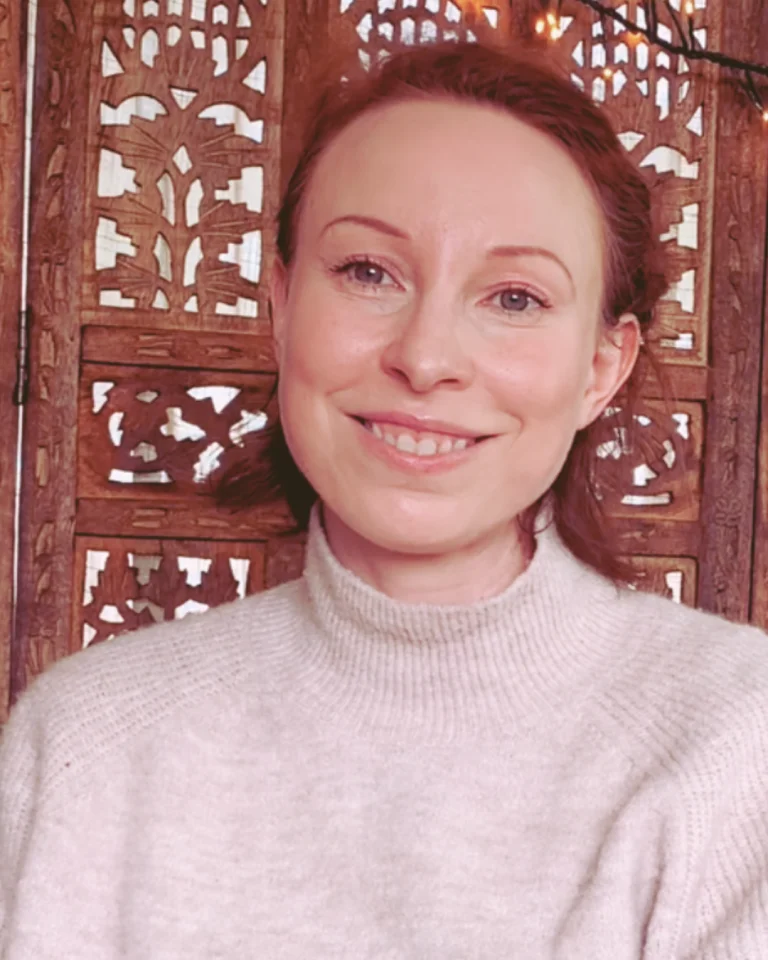
Jade
BACP Registered Psychotherapist
Area of focus
- Relationship difficulties
- Couples counselling
- Attachment issues
- Compulsive relationship patterns
- Anxiety linked to relationships
Approach
Integrative psychotherapeutic counselling, with a strong focus on attachment styles and how to build healthy relationships.
Availability
Online / telephone

Sharon
UKCP Accredited Psychotherapist
Area of focus
- Anxiety & panic
- Emotional regulation & overwhelm
- Relationship difficulties
- Shame & self-criticism
- Trauma & EMDR
Approach
Integrative psychotherapeutic counselling, centring on Transactional Analysis. EMDR is offered subject to assessment.
Availability
Online / telephone

Elizabeth
Senior Accredited Psychoanalytic Psychotherapist
Area of focus
- Attachment & relationship patterns
- Emotional overwhelm, numbness or shutdown
- Neurodiversity (ADHD & autism)
- Self-esteem & identity
- Anxiety
Approach
Depth psychotherapy drawing from the psychoanalytical, systemic & existential schools.
Availability
Online / telephone
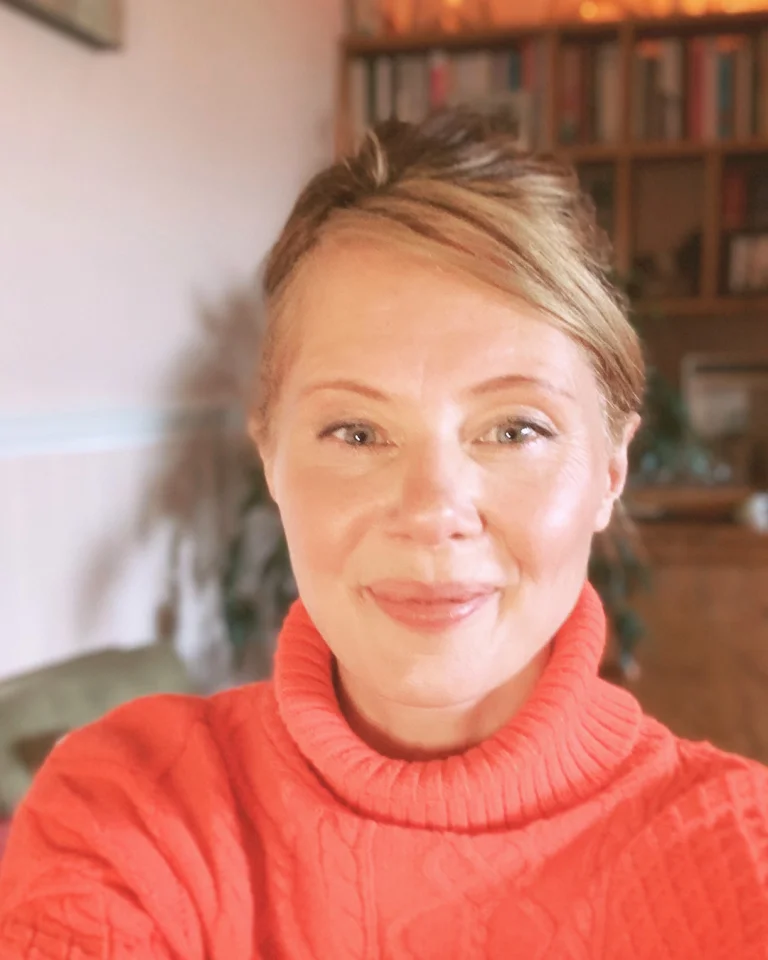
Dr Rhian
Chartered Counselling Psychologist | Founder of The Clearing
Area of focus
- Identity & meaning
- Depression & low mood
- Mid-life struggles & life transitions
- Burnout & emotional exhaustion
- Anxiety & panic
Approach
Counselling psychology, integrating psychodynamic, person-centred, and existential therapies.
Availability
Online / telephone / in person
Location
Rural County Durham
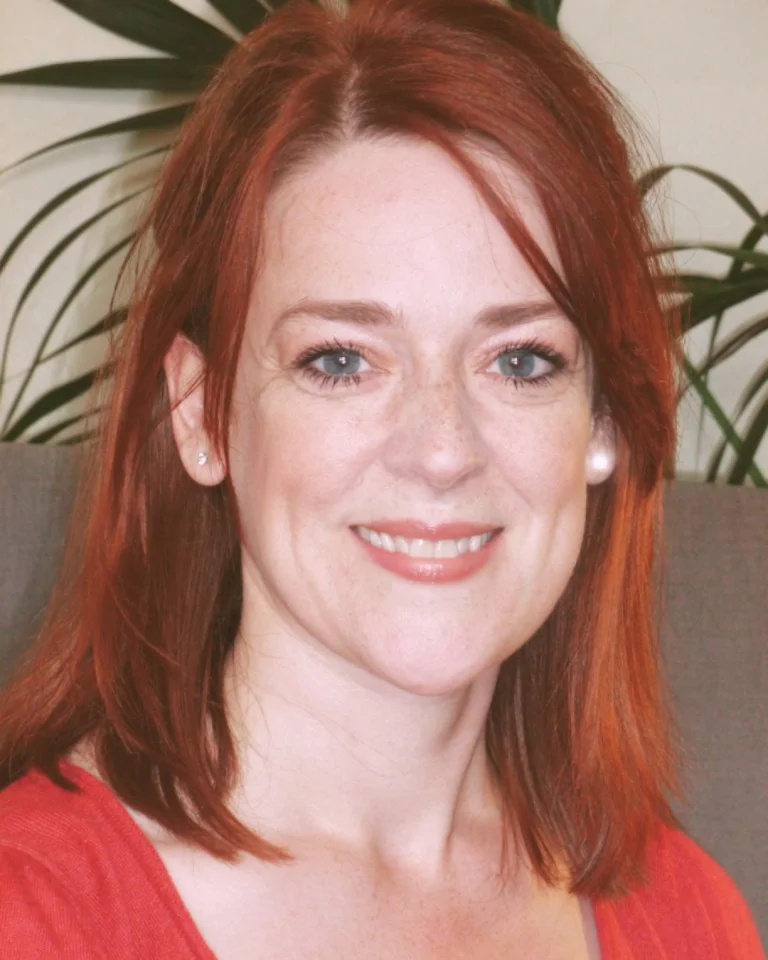
Annette
BACP Registered Psychotherapeutic Counsellor
Area of focus
- Anxiety & low mood
- Relationship difficulties
- Existential issues
- Adjustment to change
- Jungian oriented psychotherapy
Approach
Integrative psychotherapy drawing from Transactional Analysis, Jungian Psychology & CBT.
Availability
Online / telephone / in person
Location
Gosforth, Newcastle upon Tyne
We also offer support with:
- Anger & emotional regulation
- Anxiety
- Bereavement & loss
- Burnout & Stress
- Child & young person therapy
- Compulsive behaviours
- Depression
- EMDR for Trauma
- Emotional numbness & shutdown
- Neurodiversity (ADHD & Autism)
- People-pleasing & boundaries
- Relationship & couples therapy
- Self-esteem & confidence
- Trauma
We are here for you
Whether you know what you need or are still figuring things out, we’ll take things at your pace. To help you decide whether it’s right for you, we offer 50% off your first session, giving you a gentle, low-pressure way to begin your journey toward feeling better.