
How do I know if I’m burnt out?

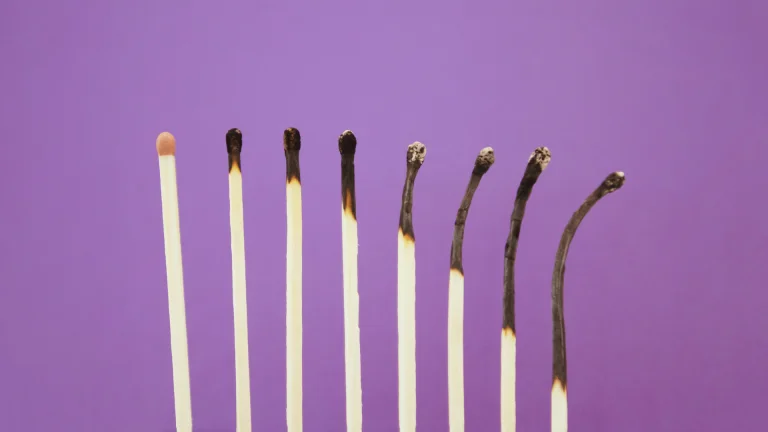
Burnout can creep up slowly.
Burnout can creep up slowly.
You might not notice it at first because you are still getting through the day, doing what needs to be done and holding everything together. You may keep telling yourself that things will feel better once you get past the next deadline, the next difficult week, the next family demand, or the next thing on the list.
But eventually, pushing through can start to cost more than you have left to give.
Burnout can leave you feeling exhausted, detached, irritable, overwhelmed or unlike yourself. You might feel as though even small tasks take too much energy. You may want to rest but find that rest does not fully restore you.
If you are wondering whether you are burnt out, it may be because something in you is asking you to slow down.
Therapy will help you understand what’s going on, why it has become so hard to keep going, and what needs to change.

Burnout is more than feeling tired
Everyone feels tired sometimes. Burnout is different.
Tiredness may ease after rest, a quiet weekend or some time away from pressure. Burnout often feels deeper than that. It can affect your body, your emotions, your motivation, your relationships and your sense of yourself.
You might still be functioning, but feel like you are running on empty and have nothing left to give.
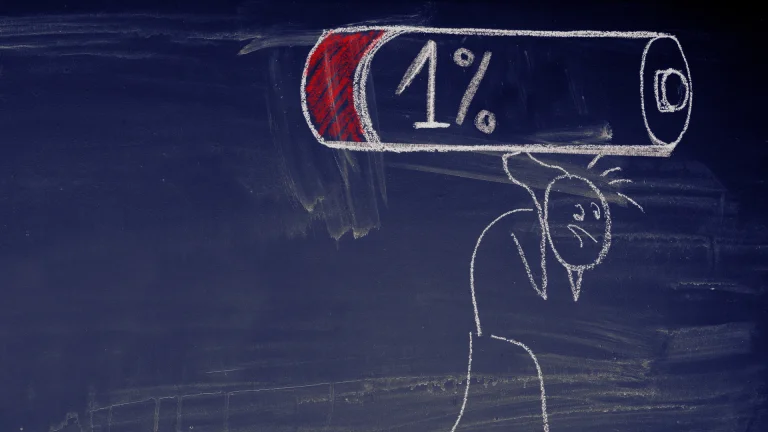
You might notice:
- feeling exhausted most of the time
- finding it hard to care about things you used to care about
- feeling detached, flat or emotionally numb
- becoming more irritable, tearful or reactive
- struggling to concentrate or make decisions
- feeling overwhelmed by small tasks
- losing motivation
- finding it hard to rest properly
- feeling resentful, trapped or under pressure
- feeling guilty when you stop
- withdrawing from people
- feeling like you are failing, even when you are doing a lot
- getting ill more often, or feeling physically run down
Are you wiped out?
We're here to help. Explore our burnout and stress support page to find a therapist, or get in touch if you would like help deciding on the next step.
What causes burnout?
Burnout is caused by prolonged stress, what’s caused this stress can be different from one person to the next.
Sometimes burnout is not only about how much you are doing. It can also be about how long you have been overriding yourself in order to keep going.
For some, burnout may be linked to work pressure, high expectations, caring responsibilities, parenting, study, grief, health worries or ongoing uncertainty.

For others, burnout may be connected to deeper patterns
Such as:
- finding it hard to say no
- feeling responsible for other people’s needs
- needing to be seen as capable
- perfectionism or fear of failure
- pushing through rather than asking for help
- ignoring your own limits
- feeling unsafe when you slow down
- believing rest has to be earned
- trying to hold everything together alone
Therapy will help you explore both the immediate pressures and any deeper patterns that may be contributing to exhaustion.

Is burnout always work-related?
Burnout is often talked about in relation to work, but it does not only happen because of work stress.
You can become burnt out from many forms of sustained pressure, including caring for others, parenting, studying, managing difficult relationships, coping with illness, navigating loss, masking, managing neurodivergent overwhelm, or trying to keep life functioning through a long period of stress.

Why we're burnt out is not always clear.
You may feel burnt out when there is no obvious reason other people would understand.
This can make it harder to give yourself permission to struggle.
You might think:
“I should be able to cope.”
“Other people manage more than this.”
“I do not have a reason to feel this exhausted.”
“I just need to get on with it.”
Why can’t I just rest and feel better?
Rest matters, but with burnout the exhaustion runs deep and can not be fixed with just a few good nights’ sleep.
If the same pressures, expectations or patterns continue, a short break may offer temporary relief but without changing what is keeping you depleted, you’ll quickly feel overwhelmed again as soon as life resumes.
Rest may also be difficult.
If you are used to being busy, needed or in control, slowing down can feel uncomfortable. You might feel guilty, restless or anxious when you are not doing something productive - making it hard to switch off even when you have the chance.
Therapy will help you uncover what beliefs and rules for living are causing you to keep ploughing on and making real rest so hard to permit yourself. In unpicking this, you’ll be able to lighten your load and find new ways to take care of your body and mind.

Can burnout feel like anxiety or depression?
Yes. Burnout can overlap with anxiety and depression.
You may feel anxious because your mind and body have been under pressure for too long. You might feel constantly alert, worried about dropping something, letting people down, or not being able to keep up.
You may also feel low, flat, numb, hopeless or disconnected. Things that once felt meaningful may begin to feel empty, too much, or not worth the effort.
This can make burnout confusing. You might ask yourself whether you are burnt out, anxious, depressed, or simply not coping.
You do not need to have the right label before reaching out for support.
Therapy will help you explore what you are going through and determine what kind of support you need.
How does burnout affect relationships?
Burnout can make relationships feel harder.
When you are exhausted, you may have less capacity to listen, connect, communicate or manage conflict. You might withdraw from people, feel resentful, become more irritable, or feel guilty for not being as available as you usually are.
You may also feel frustrated that others cannot see how depleted you are.
For people who tend to care for others, people-please or avoid conflict, burnout can bring up a painful tension. You may know you need space, but feel guilty for taking it. You may want support, but find it hard to ask. You may feel angry that others rely on you, while also feeling responsible for keeping everything going.
Therapy will help you gently explore these patterns, and begin thinking about your boundaries, needs and relationships in a different way.

Finding the right support for burnout matters
Burnout can be difficult to overcome on your own. The right therapist will help you understand what has caused your burnout and help you to find a realistic way forward.
Can therapy help with burnout?
Therapy can help you understand burnout in a deeper way.
It is not only about learning how to manage your time better or adding more self-care to an already full list. Sometimes burnout asks bigger questions about how you are living, what you are carrying, and what you believe you are allowed to do or to need.
Therapy does not offer a quick fix for burnout - it gives you the space to identify what needs attention, rather than simply trying to keep on going as before, so you can make lasting positive changes.
Depending on your needs and your therapist’s approach, therapy may help you:
Understand what has led to burnout
Notice the signs that you are reaching capacity
Explore the patterns that keep you pushing through
Understand anxiety, guilt or fear around slowing down
Build more compassionate boundaries
Recognise what is yours to carry and what is not
Make sense of resentment, numbness or emotional exhaustion
Reconnect with what feels meaningful
Develop steadier ways to care for yourself
Think about practical changes that may support recovery
What can I do if I think I am burnt out?
If you think you may be burnt out, it’s important to be gentle with yourself.
You might ask yourself:
- What feels like too much at the moment?
- What am I carrying that no one else sees?
- Where am I saying yes when I need to say no?
- What am I afraid would happen if I slowed down?
- What parts of my life feel most draining?
- What, if anything, helps me feel a little more restored?
- Who can I be honest with about how I am feeling?
You might also need practical support, such as speaking to your GP, employer, tutor, partner, family member or someone you trust.
Small changes may help, but if burnout has been building for a long time, you may need more than surface-level rest. Therapy can offer a place to understand what has been happening and what kind of support or change may be needed.

Taking the first step
If you are burnt out, you do not need to keep pushing through alone. We are here for you.
You don’t need to know exactly why you feel this way. If you’re exhausted, overwhelmed, detached or no longer feel like yourself then therapy can help you.
Therapy will give you the space to slow down, make sense of what has been going on, and start finding your way towards recovery.
Whether you know what has led to burnout or are still trying to understand it, we are here to help.