
Why do I feel anxious all the time?

Feeling anxious from time to time is part of being human.
Anxiety can show up before a difficult conversation, a big decision, a new situation, or something that feels uncertain.
But when anxiety starts to feel constant, it becomes exhausting.
You might feel on edge even when nothing obviously stressful is happening. You might overthink conversations, imagine worst-case scenarios, struggle to switch off, or feel as though your body is always waiting for something to go wrong. You may be functioning on the outside, while inside you feel tense, restless or overwhelmed.
If you feel anxious all the time, it does not mean there is something wrong with you.
It’s often a sign that your mind and body are trying to manage more than they can comfortably hold. Therapy can help you begin to understand what the anxiety is trying to tell you, why it may have developed, and what support might help you to start feeling more grounded.

Anxiety can feel different for different people
Anxiety does not always look the same.
For some people, anxiety feels like panic, racing thoughts or a constant sense of dread.
For others, it feels quieter but persistent, like a background hum that never fully goes away.
You might notice anxiety in your body, your thoughts, your emotions, your relationships or your daily routines.
Sometimes people do not realise they are anxious because they have become so used to living in a state of tension.
It may simply feel like the way life is.
But you do not have to dismiss anxiety just because you have learned to cope with it.
Anxiety can feel like:
Constant worrying or overthinking
Feeling tense, restless or unable to relax
A tight chest, shallow breathing or a racing heart
Difficulty sleeping or waking up early
Feeling irritable, tearful or emotionally overwhelmed
Avoiding situations because they feel too much
Replaying conversations or worrying you have said the wrong thing
Needing regular reassurance
Feeling unable to make decisions
Always expecting something bad to happen
Feeling exhausted from trying to keep everything under control
Are you struggling with anxiety?
We’re here to help. You do not need to know exactly why you’re feeling anxious before reaching out for support. You can explore our anxiety support page or get in touch if you need help making the next step.
Why might I feel anxious all the time?
There is not always one simple reason for anxiety.
Sometimes anxiety is linked to a current obvious stressor, such as work pressure, relationship difficulties, money worries, health concerns, parenting, grief, change or uncertainty.
In other cases, it is more subtle and trickier to explain, perhaps linked to wounds from the past, longstanding relationship patterns or existential issues triggered by ageing or a big life change.
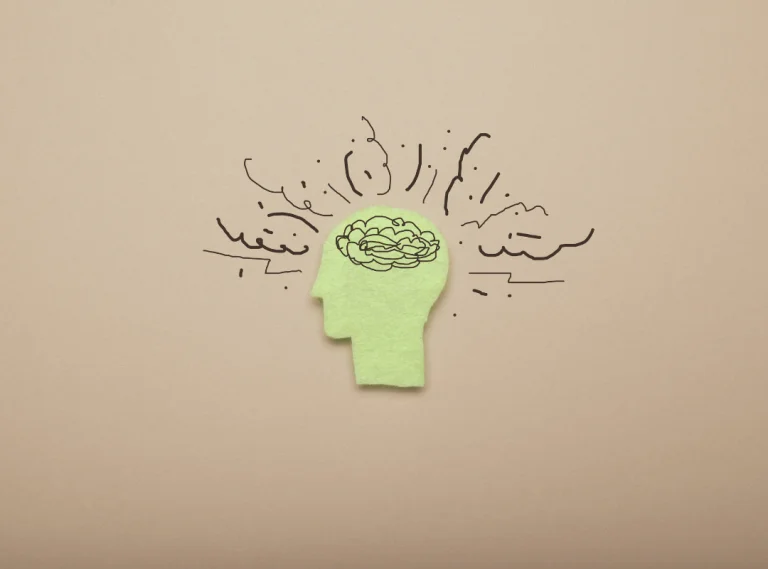
Anxiety can have many root causes.
You may feel anxious because you have spent years trying to keep everything together for everybody else. You may have learned to anticipate other people’s needs ahead of your own, avoid conflict, stay in control, or push through stress without noticing what it is costing you.
Anxiety can also be linked to earlier experiences, trauma, attachment patterns, low self-esteem, burnout, people-pleasing, perfectionism, or feeling responsible for things that are not fully yours to carry.
Therapy can help you explore the wider picture, rather than just addressing the top level symptoms of anxiety so that long lasting healing can be achieved.

Is anxiety always obvious?
No. Anxiety is not always visible from the outside or even obvious to us.
You may appear calm, capable and organised while feeling anxious or experiencing physical signs of tension such as jaw, neck and shoulder pain, behind the veneer. Perhaps you’re the person who gets things done, remembers everything, anticipates problems and keeps life moving for everyone else.
Other people may not see how much effort it takes to stay afloat.
You might think:
“I’m coping, so it can’t be that bad.”
“I should be able to deal with this.”
“Other people have more serious problems.”
But being able to function does not mean anxiety is not affecting you. You may still feel tired, disconnected, irritable, restless or unable to fully enjoy things.
Anxiety can be quiet and constant. It can cast a shadow over everyday life.

Why can’t I switch off?
Many people describe anxiety as feeling like their mind will not stop.
You might replay things that have already happened, worry about things that have not happened yet, or feel unable to rest because your brain keeps searching for something to solve.
This can be especially difficult at night, when there are fewer distractions.
You may find yourself thinking through conversations, planning for every possible outcome, or lying awake with a tight feeling in your chest. Even when you know logically that you need rest and your body is exhausted, your mind may still feel wired.
Often, anxiety points to a nervous system that has become used to being alert. Therapy helps you uncover what’s keeping you on high alert, so you can find ways to steady and soothe yourself.
What if I don't know what I am anxious about?
This is really common. The roots of anxiety can be quite unconscious.
Sometimes anxiety attaches itself to everyday things because something underneath is unsettled. You might worry about work, messages, decisions, your health, your relationships or what other people think of you, without knowing why it all feels so intense.
At other times, anxiety may show up as a general sense of dread, pressure or unease.
In therapy, you do not need to arrive with a clear explanation. You can start with what you notice:
“I feel anxious most of the time.”
“I can’t relax.”
“I feel like something bad is going to happen.”
“I don’t know why I feel like this.”
From there, you and your therapist can begin to explore what may be contributing to the anxiety, at a pace that feels manageable to you.

Can anxiety affect relationships?
Yes. Anxiety can often show up in relationships.
You might feel anxious when someone takes longer to reply, seems distant, criticises you, needs space, or feels unpredictable. You may worry that you have upset someone, that they will leave, or that you have done something wrong.
Relationship anxiety can also make it difficult to express your needs, set boundaries or trust that things are okay.
Sometimes this is connected to earlier experiences of inconsistency, rejection, conflict, loss or feeling responsible for other people’s emotions. Sometimes it is connected to current relationship patterns that feel uncertain or painful.
Therapy can help you understand these patterns and fears more clearly and help you to respond to them with calm and compassion.

Finding the right support for anxiety matters
Anxiety can have many different roots. The right therapist can help you explore what is going on beneath the surface and find the healing you ned to move forward.
Can anxiety be linked to burnout?
Yes. Anxiety and burnout can be closely connected.
When you have been under pressure for a long time, your mind and body may stay in a constant state of alert. You might feel unable to rest, even when you are exhausted. You might worry about falling behind, letting people down, missing something important, or not doing enough.
Burnout can make anxiety feel louder because your capacity is already stretched.
You may feel tearful, irritable, overwhelmed, flat or physically drained, while still feeling unable to stop. It can become difficult to tell whether you are anxious because there is too much to do, or whether everything feels too much because you are already anxious.
Therapy can offer space to understand what has been building up and what needs to change for you to regain your balance.

Can therapy help with anxiety?
Yes. Therapy helps you understand your anxiety, rather than trying to push it away.
Depending on your needs and your therapist’s approach, therapy may help you:
- understand what triggers or maintains your anxiety
- notice patterns in your thoughts, feelings, body and relationships
- explore where anxiety may have come from
- develop steadier ways to respond when anxiety rises
- build more compassion towards yourself
- understand the role of stress, burnout, trauma or past experiences
- practise boundaries, self-care and emotional regulation
- feel less alone with what you are experiencing
Therapy does not mean making anxiety disappear overnight. It helps you build a different relationship to it, so it feels less confusing, frightening or overwhelming.

What can I do when anxiety feels intense?
When anxiety feels intense, simple grounding strategies can help you come back to the present moment.
These strategies are not a replacement for therapy, and they may not work in every situation.
They can offer a small pause when anxiety feels overwhelming.
If anxiety feels frequent, intense or hard to manage alone, therapy can help you address the roots to achieve long lasting relief.
Some grounding tools to try:
Slowing your breathing gently
Placing your feet flat on the floor and focusing in on them
Consciously naming five things you can see
Unclenching your jaw, shoulders or hands
Stepping outside for air if that feels possible
Reminding yourself, “This is anxiety. It feels uncomfortable, but it will pass.”
Speaking to someone you trust
Writing down your thoughts
Taking the first step
If you feel anxious all the time, we are here to help.
You don’t need to know exactly where the anxiety comes from before starting therapy. It’s enough to know that it is affecting your life, your body, your relationships, your sleep, or your ability to feel settled.
Therapy offers a space where you can slow things down, explore what is happening and why, and start to make positive changes towards greater peace.
If you are ready to take the next step, you can explore support for anxiety, meet one of our therapists, or get in touch to ask a question.
Whether you know what is making you anxious or are still trying to figure it all out, we’ll help you take the next step.