

Are we compatible?
It’s natural to wonder, “Which attachment styles work best together?” but compatibility isn’t about finding a perfect pairing—it’s about how two people understand and respond to each other’s emotional needs.
Attachment theory suggests that we tend to relate to others in patterned ways, often shaped by our early experiences. A lack of understanding or acceptance of each other's style can cause relationships problems.
Many people arrive here after searching for relationship help, couples therapy, or answers to ongoing relationship problems, often feeling unsure why connection feels so difficult.
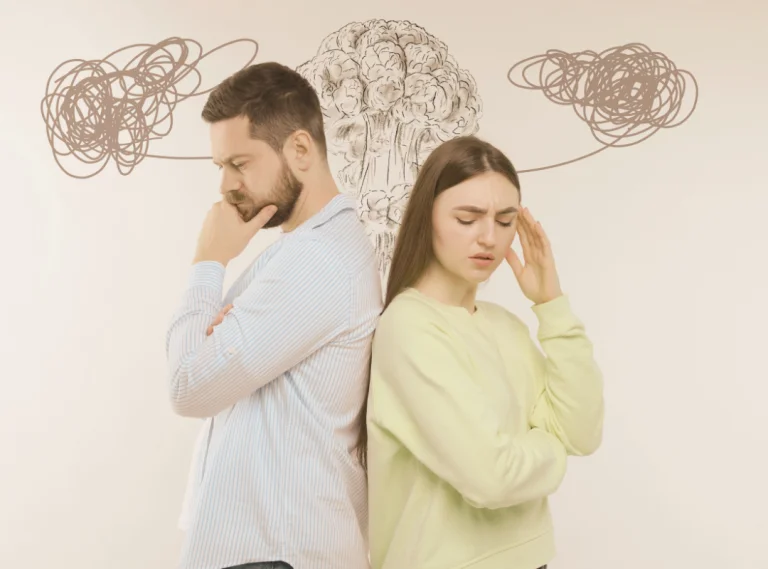
What are the different attachment styles?
Broadly, these patterns are described as secure, anxious, avoidant, and sometimes disorganised. Each brings its own strengths and challenges into relationships, and understanding these patterns can be a powerful step in improving communication in relationships and feeling more emotionally secure.
A secure attachment style is generally the most adaptable. People with a secure style tend to feel comfortable with both closeness and independence. They can communicate needs openly, offer reassurance, and tolerate emotional intimacy without becoming overwhelmed. Because of this, secure individuals often form stable relationships with any attachment style. They can provide a kind of emotional “anchor,” helping partners feel seen and soothed.
However, even secure individuals need reciprocity—healthy relationships still require mutual effort, something often explored in relationship counselling or couples counselling.

The anxious-avoidant trap
When we look at anxious and avoidant pairings, we often see what’s commonly called the anxious–avoidant trap. This dynamic can feel intense and even compelling at first.
The anxious partner may seek closeness, reassurance, and consistency, while the avoidant partner may value space, independence, and emotional distance.
This creates a cycle where the more one reaches out, the more the other pulls away. Over time, both people can feel stuck—the anxious partner feeling rejected or not enough, and the avoidant partner feeling pressured or overwhelmed.
Many people experiencing this cycle search for relationship anxiety help or why does my partner pull away, trying to make sense of the pattern. This pairing isn’t inherently unworkable, but it does require awareness, patience, and often support to break unhealthy relationship patterns.

Are you having relationship problems?
We are here to help. Explore our relationship and couples therapy support page, meet one of our relationship therapists or get in touch if you need help deciding the right next step.
What if we're both anxious?
Two anxious partners may initially feel deeply connected, as both value closeness and emotional expression.
However, without a sense of grounding, the relationship can become heightened, with both partners seeking reassurance but struggling to provide it consistently.
Similarly, two avoidant partners may experience a sense of ease around independence, but the relationship can lack emotional depth or vulnerability if neither feels comfortable initiating closeness.
These dynamics often show up in sessions focused on relationship issues or feeling disconnected from a partner.

Can couples therapy help?
Yes. What I often emphasise is that compatibility is less about the labels and more about the capacity for reflection and growth.
A relationship becomes more secure when both people are willing to notice their patterns, communicate openly, and respond to each other with empathy.
For example, an anxious partner learning to self-soothe and express needs clearly, alongside an avoidant partner learning to stay present and engaged during moments of closeness, can create meaningful change.
This is the kind of work often explored in relationship therapy or online couples therapy, where both partners are supported in developing new ways of relating.

It can be helpful to explore what “triggers” each person.
You might ask yourself:
When do I feel most unsettled in relationships?
What do I tend to do in those moments?
These questions can reveal your attachment patterns and how they show up with others. From there, the work becomes less about changing who you are and more about expanding your range—learning new ways to respond that feel safer and more connected, especially if you’re looking to improve your relationship or rebuild emotional connection.

How do we build a secure relationship?
Ultimately, the most compatible relationships are those where both people feel emotionally safe, respected, and valued. This often looks like consistency, clear communication, and a shared willingness to repair when things go wrong.
Attachment styles can give us a helpful map, but they don’t determine the outcome. With awareness and intention, people can move toward greater security—both within themselves and in their relationships.
So rather than focusing only on labels, I might gently invite you to consider what helps you feel calm, connected, and able to be yourself in a relationship.
That understanding will guide you toward compatibility in a much more meaningful and lasting way—and, if needed, seeking professional relationship support can be an important step toward creating the kind of relationship you truly want
Taking the first step
If you and your partner are having relationship problems, we are here for you.
You don’t need to know exactly where it started or why. It’s enough to know that you feel unhappy, disconnected, or are struggling to understand each other.
Therapy will help you begin to gently uncover what’s really going on, so you can reconnect and find a better way forward.
Whether you know why you aren't getting on or are still trying to understand it, we can help you take the next step.