
Love languages are a helpful framework
for understanding how we give and receive emotional connection in relationships.
Many people come across this idea while searching for relationship help, how to feel loved in a relationship, or ways to improve communication with a partner. The concept, originally developed by Dr. Gary Chapman, suggests that people tend to express and interpret love in five primary ways:
- Words of affirmation
- Acts of service
- Receiving gifts
- Quality time
- Physical touch
While most of us can appreciate all five to some degree, we usually have one or two that feel especially meaningful—these are what we might call our “primary” love languages.

What's your primary love language?
From a therapist’s perspective, it is most helpful to think about love languages less as rigid categories and more as patterns of emotional need. They offer a lens through which we can better understand ourselves and reduce misunderstandings in our relationships.
For example, one partner may show love by doing practical things—cooking, fixing, organising—while the other longs to hear verbal appreciation. Without this awareness, both people may be left feeling unappreciated, even though love is being expressed on both sides.
This is a common theme in relationship counselling and couples therapy, where partners are often trying to understand why they feel so disconnected.
Are you looking for relationship support?
We have a number of experienced couples counsellors and relationship therapists on our team.
How to identify your love language
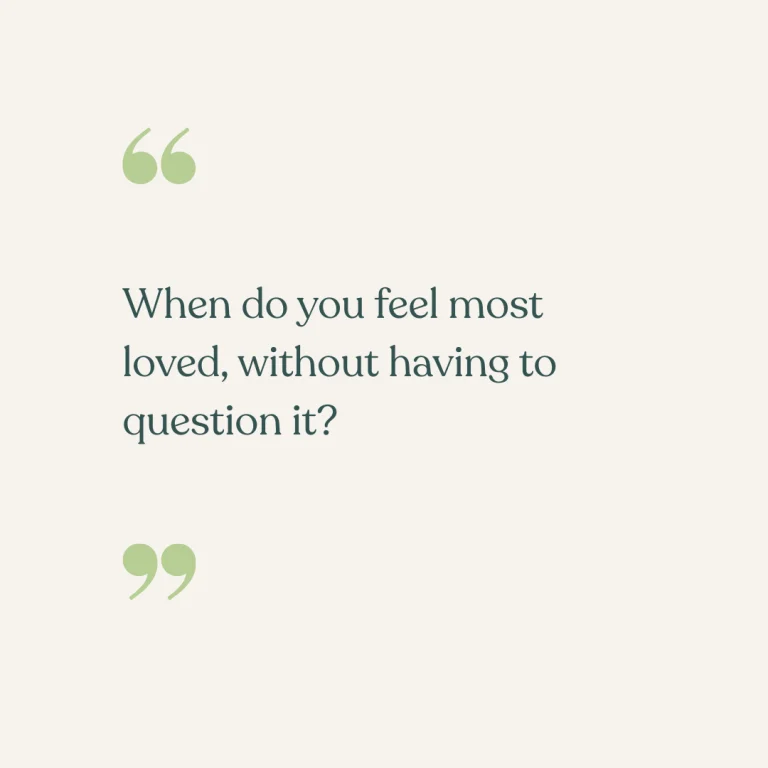
Understanding your own love language begins with noticing what makes you feel most valued and emotionally secure.
Your answer can offer important clues. If kind words linger with you and boost your mood long after they’re spoken, words of affirmation are likely central for you. If you feel most connected during uninterrupted time together—deep conversations, shared experiences—quality time is your anchor.
These insights are often the starting point for those looking to improve their relationship or feel closer to their partner.
It can also be revealing to look at what you tend to give to others. We often express love in the way we most wish to receive it.
If you frequently go out of your way to help, support, or take tasks off someone’s plate, acts of service might be significant for you. If you’re someone who instinctively reaches for a hug, values closeness, or feels reassured through physical presence, physical touch may be particularly important.
Another helpful angle is to notice what hurts. Emotional pain can be a powerful indicator of unmet needs. If you feel especially sensitive to criticism or the absence of verbal appreciation, that may point toward a need for affirmation. If you feel neglected when plans are cancelled or attention is divided, quality time might be a core need.
These reactions aren’t flaws—they’re signals – indications of what needs to change in the relationship for things to work better.
Reflections
What makes you feel loved?
An indication of what you value most in your relationships.
How do you show your love to others?
How we love shows us how we want to be loved.
What hurts you most in relationships?
The areas where we are most likely to feel wounded point to our primary love language.
Love languages can evolve over time
Life stages, stress levels, and past experiences all shape what we need in different seasons.
For example, during periods of overwhelm or fatigue, acts of service might feel more meaningful than gifts or words. Similarly, someone navigating emotional vulnerability after a bad experience, may place greater value on reassurance and physical presence.
This is something we will often explore in relationship therapy or online couples counselling, to help you to understand what you both need to feel safe and supported in your partnership.

Finding the right therapist matters
The right therapist can make all the difference. We'll help you find a couples counsellor who understands your needs and feels like the right fit for you.
Couples therapy helps
As a relationship therapist, I encourage a gentle curiosity rather than a need to “know” or “get it right.” You don’t need to label yourself definitively. Instead, think of love languages as a starting point for deeper self-awareness and clearer communication.
The real value lies in being able to say, “This is what helps me feel cared for,” and equally, “I want to understand what that looks like for you.” This kind of openness is key to building a healthy relationship and improving emotional connection.
Ultimately, knowing your love language is about building self-awareness. When you understand what nourishes you emotionally, you’re better equipped to ask for it, recognise it when it’s offered, and create relationships that feel more mutual, intentional, and fulfilling.
And if you find yourself struggling to communicate these needs, seeking professional relationship support can help you and your partner feel more understood, connected, and secure.

Take the first step
If you and your partner are having relationship problems, we are here for you.
You don’t need to know exactly where it started or why. It’s enough to know that you feel unhappy, disconnected, or are struggling to understand each other.
Therapy will help you begin to gently uncover what’s really going on, so you can reconnect and find a better way forward.
Whether you know why you aren't getting on or are still trying to understand it, we can help you take the next step.